The Rise of ODT and Effervescent Tablets in Contract Supplement Manufacturing
Understanding the Evolution of Supplement Dosage Forms
Overview of Traditional Supplement Formats
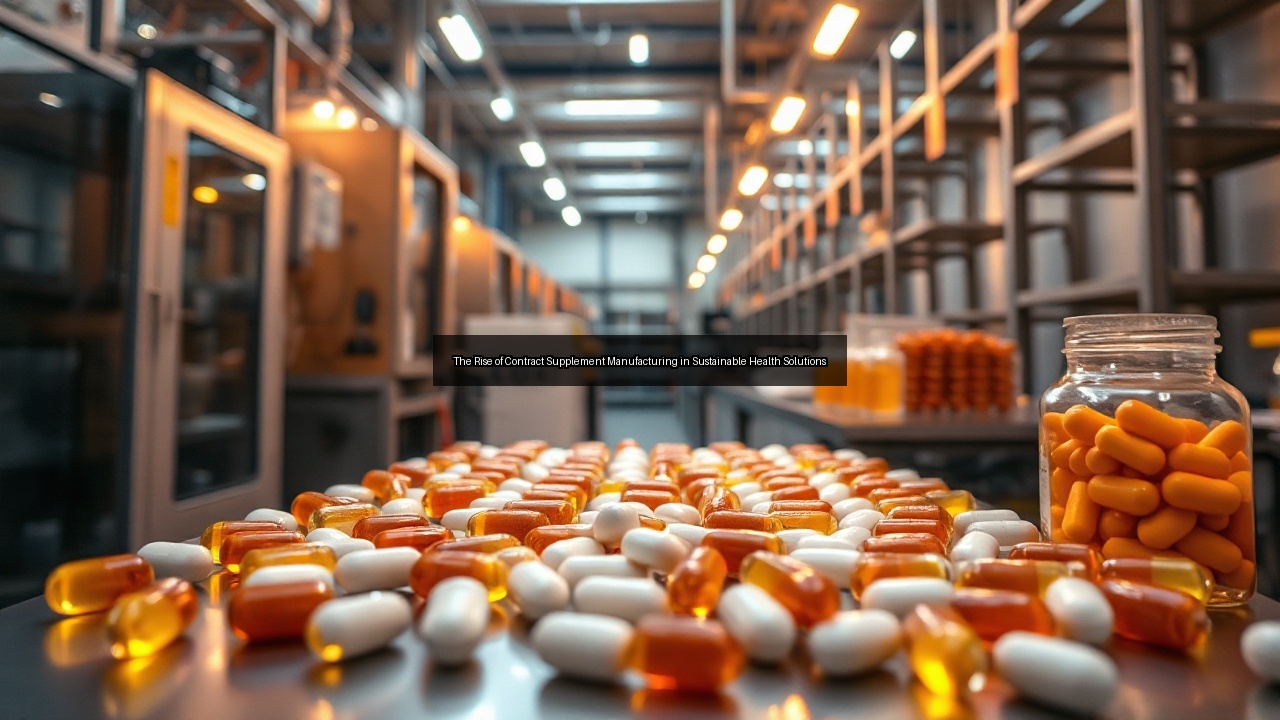
Traditional supplement formats like capsules, soft gels, and standard tablets dominated the market for decades because they delivered consistent dosing through simple swallowing mechanisms. Manufacturers relied on these options for their stability during storage and straightforward production lines. Many consumers still prefer soft gel capsules for oil-based nutrients such as omega-3s, since the gel shell protects sensitive ingredients from oxidation. Powders mixed into drinks offered flexibility but often suffered from poor taste and clumping issues. Contract supplement manufacturers refined these formats over time by adding coatings that masked flavors and improved swallowability. Yet limitations persisted, including slower absorption rates and the need for water to ingest them. These constraints pushed the industry toward faster-acting alternatives that align with busy lifestyles and precise nutrient delivery needs.
The Emergence of ODT and Effervescent Tablets
ODT and effervescent tablets emerged as game-changers by addressing absorption speed and convenience gaps left by older formats. ODT products dissolve directly on the tongue without water, releasing active ingredients rapidly into the bloodstream. Effervescent tablets fizz in liquid to create a palatable solution that improves hydration alongside supplementation. Contract supplement manufacturers invested in specialized equipment to produce these dosage forms at scale while maintaining potency. The shift accelerated as consumers demanded portable, easy-to-use options that fit gym bags or travel routines. Sciences behind these innovations focus on superdisintegrants for ODTs and controlled gas release for effervescents, ensuring uniform dispersion. Manufacturers now integrate these formats into product lines for vitamins, minerals, and herbal extracts, expanding market reach beyond traditional pill users.
Benefits of Innovative Dosage Forms
Innovative dosage forms deliver clear advantages in bioavailability and user compliance. ODTs bypass the digestive tract partially for quicker onset, which benefits time-sensitive nutrients like B vitamins or caffeine alternatives. Effervescent tablets enhance solubility of minerals such as magnesium and calcium, reducing gastrointestinal discomfort common with solid pills. Contract supplement manufacturers highlight these benefits to clients seeking differentiation in crowded markets. Consumers report higher satisfaction due to pleasant taste profiles and no need for additional fluids. Production efficiencies also rise because these formats often require fewer excipients than coated tablets. Overall, the move toward ODT and effervescent options supports broader accessibility across age groups, including seniors who struggle with swallowing large capsules.
The Role of Contract Supplement Manufacturers
What to Look for in a Contract Supplement Manufacturer
Selecting the right contract supplement manufacturer requires focus on capabilities that match specific product goals. Experience with ODT and effervescent tablets stands out as a key criterion, since these dosage forms demand precise formulation expertise and specialized machinery. Reliable partners demonstrate consistent output across batch sizes while incorporating advanced sciences for stability testing. Clients should evaluate turnaround times, customization options for flavors and strengths, and transparent communication channels. Manufacturers that offer end-to-end services from ingredient sourcing to final packaging reduce coordination headaches. Strong technical support helps navigate regulatory pathways efficiently. Companies prioritizing these factors gain partners who accelerate time-to-market without compromising on innovation or scalability.
Quality Controls in the Manufacturing Process
Quality controls form the backbone of successful supplement production under contract arrangements. Every stage from raw material receipt to finished goods undergoes rigorous checks for purity, potency, and microbial safety. Contract supplement manufacturers implement in-process testing during ODT compression and effervescent granulation to catch deviations early. Advanced analytical methods verify uniform distribution of active ingredients across tablets. Documentation trails support traceability, allowing quick identification of any batch issues. These controls extend to environmental monitoring in cleanrooms to prevent cross-contamination. Clients benefit from reduced recall risks and consistent product performance that builds brand trust. Regular audits and third-party certifications further validate the robustness of these systems.
The Importance of Compliance in Supplement Manufacturing
Compliance ensures contract supplement manufacturers operate within legal frameworks that protect consumers and brands alike. Adherence to GMP standards governs facility design, personnel training, and record-keeping for all dosage forms including ODT and effervescent tablets. Regulatory bodies require detailed validation of manufacturing processes to confirm reproducibility. Manufacturers maintain updated SOPs that cover everything from cleaning protocols to label accuracy. Failure to comply invites costly disruptions and reputational damage. Proactive partners stay ahead of evolving rules on ingredient claims and allergen labeling. This diligence allows clients to launch products confidently across multiple regions while minimizing legal exposure.
Sustainability in Supplement Manufacturing
Eco-Friendly Practices in ODT and Effervescent Tablet Production
Eco-friendly practices reshape how contract supplement manufacturers approach ODT and effervescent tablet production. Reduced water usage during effervescent granulation and energy-efficient drying methods lower overall environmental footprints. Many facilities switch to biodegradable packaging materials that maintain tablet integrity without plastic overwraps. Waste minimization through optimized batch sizing cuts excess material disposal. Manufacturers also adopt solvent-free coating alternatives for ODTs where applicable. These steps align production with broader sustainability targets while preserving product efficacy. Clients increasingly request such practices to meet corporate responsibility goals and appeal to environmentally conscious buyers.
Sustainable Sourcing of Ingredients
Sustainable sourcing strengthens supply chains for contract supplement manufacturers handling ODT and effervescent formats. Suppliers must provide traceable origins for botanicals and minerals, often verified through certifications like organic or fair trade. This approach reduces deforestation risks and supports regenerative farming practices. Manufacturers audit upstream partners to confirm ethical labor standards alongside quality specifications. For effervescent formulations, citric acid and bicarbonate sources now come from renewable processes rather than synthetic routes. Transparent sourcing builds consumer confidence and differentiates products in retail channels. Long-term contracts with vetted suppliers stabilize pricing and availability for high-demand ingredients.
The Impact of Sustainability on Consumer Choices
Sustainability influences purchasing decisions as buyers scrutinize manufacturing ethics behind their supplements. Products from contract supplement manufacturers with clear eco-initiatives command premium pricing and repeat loyalty. Shoppers seek labels highlighting reduced carbon emissions in ODT production or responsibly harvested components in effervescent blends. Social media amplifies stories of green practices, turning sustainability into a marketing asset. Brands that integrate these values report stronger engagement metrics and lower return rates. Ultimately, consumer preference drives further investment in sustainable methods across the supplement sector.
Inventory Management and Production Efficiency
Streamlining Inventory for ODT and Effervescent Tablets
Streamlining inventory prevents bottlenecks in ODT and effervescent tablet output for contract supplement manufacturers. Real-time tracking systems monitor raw excipients like mannitol for ODTs and acid-base pairs for effervescents to avoid stockouts. Just-in-time ordering aligns material arrivals with production schedules, freeing warehouse space. Manufacturers use predictive analytics to forecast demand fluctuations based on seasonal supplement trends. Proper climate control for sensitive ingredients maintains potency during storage. These measures cut carrying costs and reduce waste from expired components. Clients gain reliable delivery timelines that support their own sales forecasts.
Maximizing Production Efficiency with Contract Manufacturers
Maximizing production efficiency relies on close collaboration between brands and contract supplement manufacturers. Automated lines for tablet compression and blister packaging accelerate throughput for both ODT and effervescent products. Cross-training operators allows quick switches between dosage forms without downtime. Data-driven maintenance schedules keep equipment running at peak performance. Manufacturers apply lean principles to eliminate redundant steps in blending and granulation processes. Efficiency gains translate into competitive pricing and faster scaling for growing supplement lines. Brands benefit from higher yields and consistent quality across large runs.
Balancing Demand with Supply in Supplement Manufacturing
Balancing demand with supply demands agile planning from contract supplement manufacturers. Flexible capacity agreements accommodate sudden spikes in orders for popular ODT or effervescent SKUs. Integrated software links sales data directly to production planning, minimizing overproduction risks. Buffer stocks of critical components ensure continuity during supply disruptions. Regular demand reviews with clients refine forecasts and prevent inventory imbalances. This equilibrium supports steady cash flow while meeting market needs promptly. Manufacturers who master this balance deliver reliable service that strengthens long-term partnerships.
See Also
- Navigating Inventory Challenges with Contract Supplement Manufacturers
- Future Trends in Contract Supplement Manufacturing You Can't Afford to Miss
- Sustainable Practices in Contract Supplement Manufacturing You Should Know
- Unlocking the Secrets of Contract Supplement Manufacturers for Your Next Product Launch