Mastering Vibration Control through Expert Dynamic Balancing Techniques
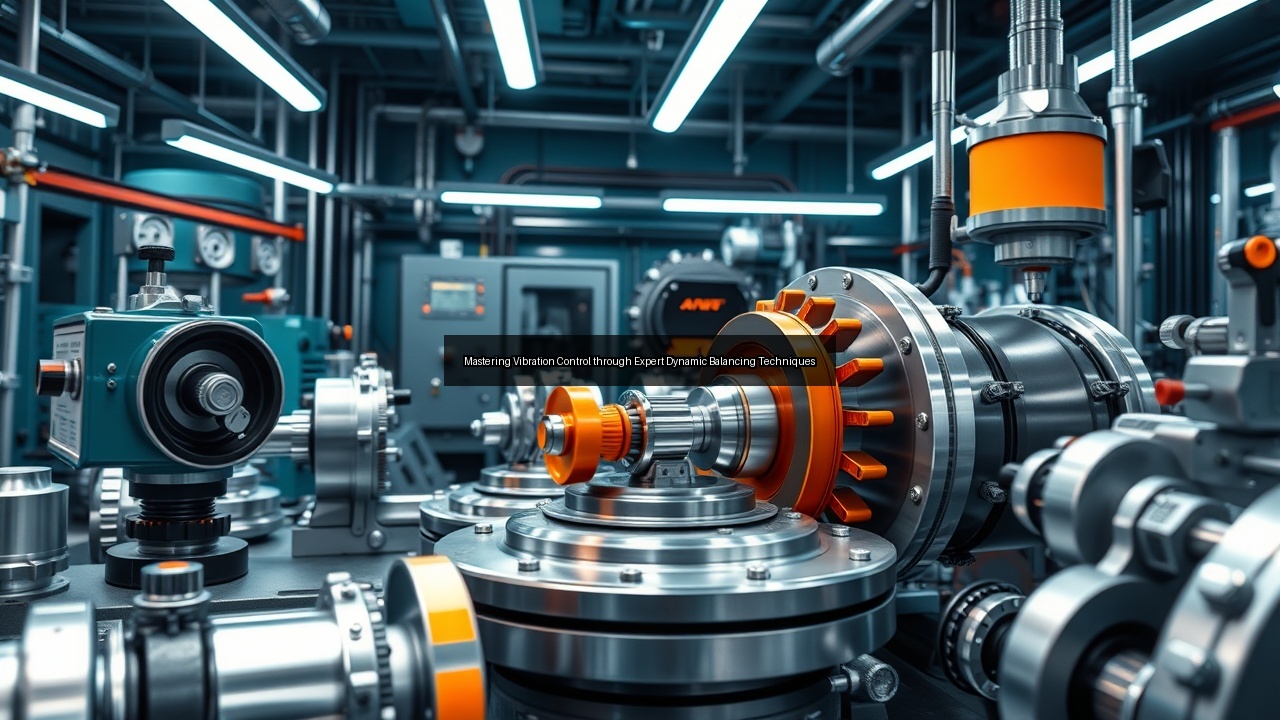
Understanding Dynamic Balancing in Engineering
The Importance of Dynamic Balancing
Engineers apply dynamic balancing to rotating components so that centrifugal forces stay even across every revolution. Proper weight placement eliminates excess motion that shortens bearing life and raises maintenance costs. Dynamic balancing services deliver measurable reductions in vibration amplitude, allowing machines to run longer between scheduled outages. Technicians measure residual unbalance in gram-millimeters and correct it by adding or removing material until readings fall inside tolerance limits.
Operators notice smoother startups and quieter operation once balancing completes. Reduced vibration also protects attached piping and foundations from fatigue cracks. Plants that schedule regular dynamic balancing service report fewer unplanned stops and lower energy consumption because motors no longer fight against their own imbalance. The process protects both equipment and personnel by keeping vibration within safe limits set by industry guidelines.
Components Affected by Imbalance
Rotors, shafts, and impellers suffer first when weight distribution becomes uneven. Flywheels store kinetic energy yet transmit destructive forces if their mass distribution drifts from the original shape. Gears experience accelerated tooth wear when mesh forces vary with each rotation. Oil films inside journal bearings thin unevenly under oscillating loads, leading to metal-to-metal contact and scoring.
Even small deviations in rotor geometry create noticeable vibration at operating speed. Technicians inspect these parts during routine maintenance and record runout values before deciding on correction methods. Dynamic motor balance addresses similar issues in electric motors where armature weight shifts after rewinding or repair. Correcting these components restores smooth motion and prevents secondary damage to couplings and seals.
Common Causes of Vibration in Machinery
Manufacturing tolerances, material inconsistencies, and assembly errors introduce initial unbalance. Over time, corrosion, erosion, and uneven deposits alter the original weight distribution. Loose mounting bolts allow the machine frame to flex, amplifying vibration that originates from the rotor. Thermal growth during operation can also shift alignment and create new imbalance forces.
Technicians trace many vibration signatures to missing balance weights or damaged blades in turbines. Oil contamination sometimes masks early imbalance until the machine reaches full load. Regular monitoring with portable instruments catches these changes early and triggers corrective dynamic balancing adjustments before damage spreads. Addressing root causes keeps vibration levels predictable and manageable.
Techniques and Technologies for Effective Dynamic Balancing
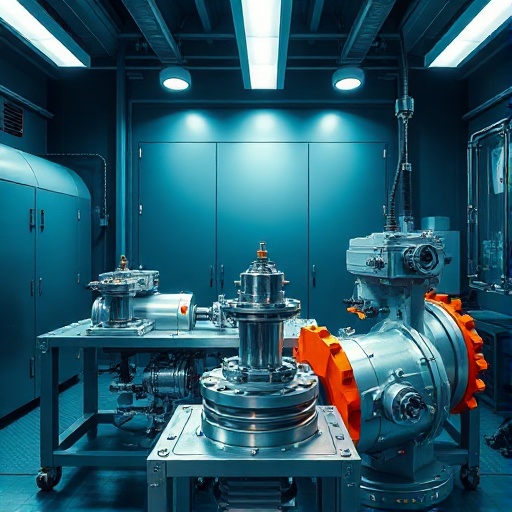
Dynamic Balancing Adjustments
Technicians perform dynamic balancing adjustments in two planes or more when rotors exceed a certain length-to-diameter ratio. They add trial weights at calculated angular positions and measure the resulting vibration vectors. Vector calculations determine the exact amount and location of permanent correction weights. Modern software displays influence coefficients so operators can repeat the process quickly on identical machines.
Field crews often balance motors in situ to avoid lengthy disassembly. Dynamic balance of motors improves efficiency and reduces bearing temperatures within hours. Adjustments must account for the stiffness of the supporting structure and the operating speed range. Final verification runs confirm that vibration has dropped below acceptance criteria before the machine returns to production.
Instrumentation and Calibration in Balancing
Accurate instrumentation forms the backbone of every successful balancing project. Accelerometers, proximity probes, and optical tachometers capture vibration amplitude and phase simultaneously. Technicians perform calibrations on these instruments before each job to maintain traceability to national standards. Portable balancing machines undergo annual verification so that reported unbalance values remain reliable.
Calibration records document sensor sensitivity and cable integrity. When instrumentation drifts, correction weights may be placed incorrectly and vibration could increase instead of decrease. Quality-conscious providers maintain calibration histories that satisfy both internal procedures and customer audits. Reliable data lets engineers compare pre- and post-balance readings with certainty.
Thermography's Role in Vibration Control
Thermography complements traditional vibration measurements by revealing heat patterns caused by friction or misalignment. An infrared camera identifies hot spots on bearings that often accompany excessive vibration. After dynamic balancing services restore smooth rotation, temperature gradients across housings typically flatten within minutes. Operators use these images to confirm that corrections have eliminated localized overloads.
Combined thermography and vibration surveys provide a more complete picture of machine health. Hot coupling hubs or uneven oil film temperatures can indicate problems that single-plane balancing alone cannot resolve. Integrating both technologies helps maintenance teams prioritize work and avoid unnecessary shutdowns. The visual evidence also supports training programs that teach new technicians how vibration and heat interact.
Applications of Dynamic Balancing Services
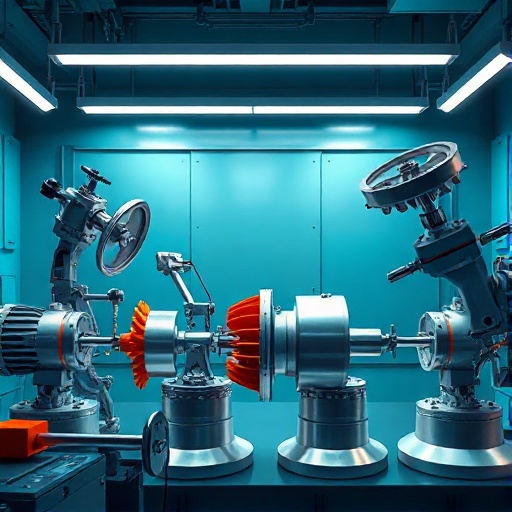
Dynamic Balancing for Gas Turbines
Gas turbine rotors demand precise dynamic balancing because they operate at high speeds and carry significant mass. Even minor weight deviations generate large centrifugal forces that stress disks and blades. Service crews balance gas turbine rotors either at low speed on dedicated stands or at operating speed in the casing. Each method requires careful selection of sensor locations and correction planes.
After overhaul, technicians verify balance quality before the unit returns to base load. Successful balancing reduces vibration transmitted to the generator and exhaust system. Plants that invest in regular dynamic balancing services on gas turbines experience extended intervals between major inspections and improved availability. The process protects expensive turbine components from premature fatigue.
Balancing Techniques for Flywheels
Flywheels require balancing to preserve energy storage efficiency and protect surrounding equipment. Technicians remove material from designated locations or add weighted plugs to restore symmetry. Large flywheels used in presses or engines often need multi-plane correction because their axial length creates couple unbalance. Proper balancing eliminates the rocking motion that would otherwise fatigue crankshafts and mounts.
Portable instruments allow balancing without removing the flywheel from its housing in many cases. Operators record vibration signatures at several speeds to ensure corrections remain effective across the working range. Consistent application of these techniques keeps flywheel-driven machines running smoothly and reduces noise transmitted through the foundation.
Gear and Rotor Balancing in Machines
Gear rotors must maintain tight balance tolerances because mesh frequency vibration travels directly into the housing. Technicians balance the gear blank before teeth are cut and again after final machining. Rotor assemblies that include couplings and sleeves receive a full-system balance to capture the combined effect of all rotating mass. This approach prevents the need for later field corrections that interrupt production.
Dynamic balancing services for these components follow documented procedures that record initial and final vibration readings. Gearboxes that leave the shop with verified balance quality demonstrate longer service life and quieter operation. Engineers review the data to refine future designs and reduce the sources of imbalance at the manufacturing stage.
Quality Assurance and Certification in Dynamic Balancing
ISO Standards and Their Impact
ISO 9001 certification guides every step of a professional dynamic balancing service. Documented processes cover instrument calibration, data recording, and customer reporting. Auditors review these records to confirm that technicians follow the same proven methods on every job. The resulting consistency improves customer confidence and reduces variability in final vibration levels.
Companies that maintain ISO registration demonstrate commitment to continuous improvement. They track key performance indicators such as average residual unbalance and repeat job rates. These metrics drive refinements in balancing procedures and training programs. Clients benefit from traceable quality assurance that supports their own regulatory submissions.
IEC Compliance in Dynamic Balancing Services
IEC standards specify acceptable vibration limits for rotating electrical machines and set measurement practices. Dynamic balancing services align correction targets with these limits to ensure motors and generators meet acceptance criteria. Compliance documentation includes test setups, sensor placement, and environmental conditions during measurement. Customers receive reports that reference the exact IEC clauses applied.
Following IEC guidelines also harmonizes balancing results across international facilities. Multinational operators can compare vibration data from different sites without adjusting for differing standards. Providers that incorporate IEC requirements into their quality systems deliver services that satisfy both regional regulations and global corporate policies.
The Role of Nondestructive Testing in Balancing
Nondestructive testing verifies the integrity of rotors before and after balancing corrections. Magnetic particle inspection reveals surface cracks that could propagate under centrifugal stress. Ultrasonic examination checks internal material quality near weight removal areas. These tests protect against introducing new failure modes during the balancing process.
Technicians combine nondestructive results with vibration data to make informed decisions about repair versus replacement. When indications appear, engineers evaluate whether the part can still meet balance tolerances after remediation. This integrated approach strengthens overall quality assurance and extends the safe operating life of critical rotating equipment.
See Also
- Innovative Instrumentation for Dynamic Balancing and Nondestructive Inspections
- The Role of Dynamic Balancing in Optimizing Gas Turbine Efficiency and Reliability
- Dynamic Balancing Services and Their Impact on Quality Assurance in Engineering
- Unlocking Precision with Dynamic Balancing Services for Enhanced Machinery Performance