The Importance of Packaging Design in Cosmetic Manufacturing
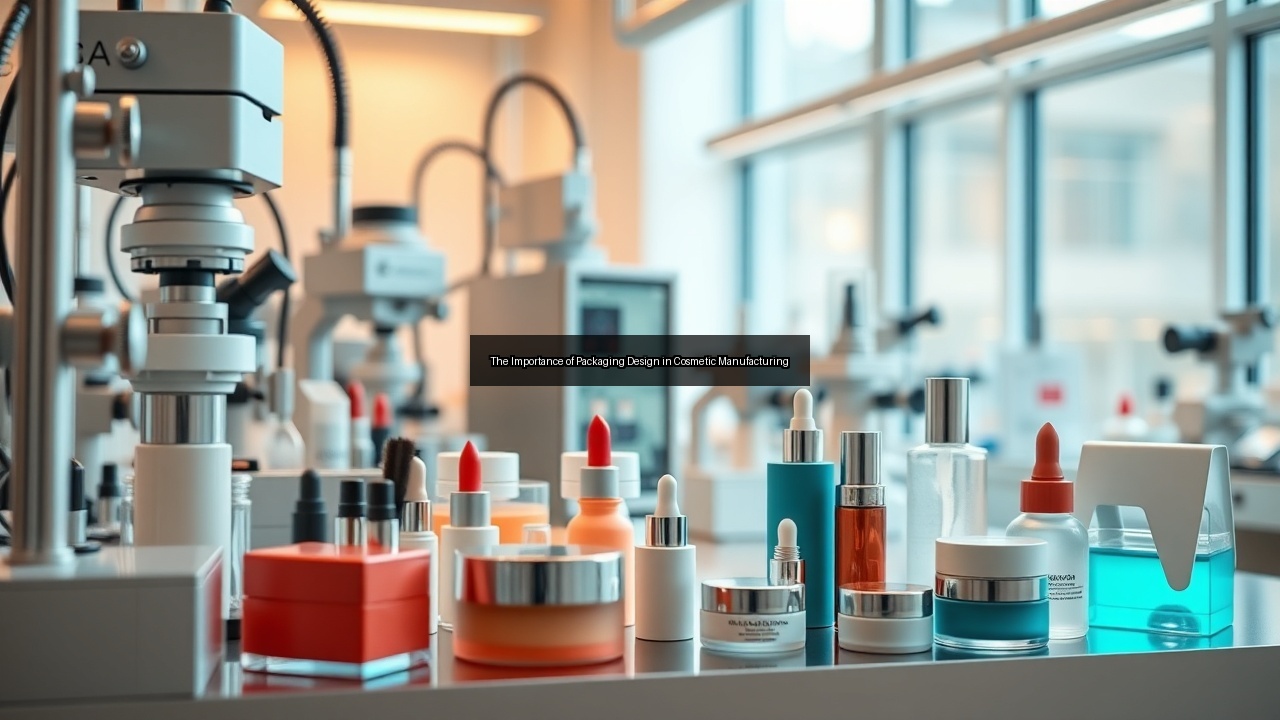
The Role of Packaging Design in Cosmetic Manufacturing
Understanding Packaging Design
Packaging design serves as the first point of contact between consumers contract manufacturing cosmetics and cosmetic products. It encompasses not just the aesthetics but also the functionality and user experience. Effective packaging must attract attention on crowded retail shelves, convey the brand's message, and create an emotional connection with the consumer. This connection often drives purchasing decisions, making it essential for cosmetic manufacturers to invest in thoughtful design. Moreover, packaging acts as a protective barrier that safeguards the integrity of makeup and skincare products. From luxurious glass jars for creams to sleek, eco-friendly tubes for serums, the choice of materials and design impacts both visual appeal and product preservation. As brands increasingly compete in a saturated market, innovative packaging design becomes a crucial differentiator, enhancing brand loyalty and recognition.
The Impact of Packaging on Consumer Perception
Consumer perception hinges significantly on packaging. A well-designed package communicates quality, sophistication, and trustworthiness. Research shows that consumers often associate the quality of a cosmetic product with its packaging. For instance, high-end brands leverage minimalist and elegant designs to suggest premium quality, while playful, colorful packaging may attract a younger demographic eager for fun and innovation. Furthermore, sustainable packaging design is gaining momentum, as consumers become increasingly environmentally conscious. Brands that adopt eco-friendly materials and practices can enhance their appeal, particularly among millennials and Gen Z. The impact of packaging extends beyond mere aesthetics; it shapes consumer attitudes and influences their choices across various skincare and cosmetic products. By understanding these dynamics, cosmetic manufacturers can strategically position their products in the marketplace.
How Packaging Influences Skincare and Cosmetic Product Choices
Packaging not only attracts consumers but also plays a pivotal role in their decision-making process. The shape, size, and functionality of cosmetic containers can affect the perceived usability of skincare and cosmetic products. For example, airless pumps for serums not only offer convenience but also protect sensitive ingredients from oxidation, enhancing the product's efficacy. Clear labeling detailing ingredients, usage instructions, and benefits is essential for consumers seeking transparency, especially in an era where ingredient awareness is paramount. Additionally, the tactile experience of handling a product influences consumer preferences. Soft-touch finishes or ergonomic shapes can make a product feel contract manufacturing cosmetics more luxurious, enhancing the overall experience. Ultimately, the interplay between packaging design and consumer choices underscores the need for cosmetic manufacturers to prioritize innovative packaging strategies that resonate with their target audience.
Regulatory Compliance and Packaging
Navigating FDA Regulations in Cosmetic Packaging
In the realm of cosmetic manufacturing, compliance with FDA regulations is non-negotiable. The FDA oversees the safety and labeling of cosmetic products, ensuring that manufacturers adhere to strict guidelines. Packaging plays a critical role in this compliance, as it must accurately reflect the product's contents and intended use. Misleading claims or inadequate ingredient disclosures can lead to legal repercussions and damage consumer trust. Manufacturers must ensure that packaging meets all labeling requirements, including ingredient lists, net contents, and usage instructions. Moreover, any claims regarding the efficacy of skincare products must be substantiated by scientific research. This regulatory landscape necessitates collaboration between cosmetic manufacturers and contract manufacturing partners, ensuring all products are compliant, safe, and market-ready. By prioritizing regulatory compliance in packaging design, brands can mitigate risks and foster consumer confidence.
Ensuring Ingredient Traceability and Conformity
Ingredient traceability is crucial in cosmetic manufacturing, particularly in a market that increasingly prioritizes transparency. Consumers want to know where their skincare and makeup products originate, along with the sourcing of every ingredient. Packaging must facilitate this traceability, providing clear information about ingredient origins and manufacturing processes. Moreover, conformity to safety standards is imperative. Packaging must not only preserve the product but also comply with safety regulations concerning materials used. For example, certain chemicals in packaging may interact negatively with cosmetic ingredients, compromising product integrity. Contract manufacturers play a vital role in ensuring that both ingredient sourcing and packaging conform to industry standards, thus maintaining the quality and safety of the final product. By emphasizing traceability and conformity in packaging, brands can foster trust and loyalty among consumers.
The Importance of Packaging in Cosmeceutical Products
Cosmeceutical products, which bridge the gap between cosmetics and pharmaceuticals, require particularly diligent packaging considerations. The efficacy and safety of these products often hinge on the precise formulation and ingredient interaction. Packaging must protect sensitive ingredients from degradation while also providing an airtight seal to maintain potency. Additionally, the packaging of cosmeceuticals must clearly communicate the benefits, applications, and any clinical research backing the product’s claims. Consumers often seek cosmeceuticals for their therapeutic benefits, so packaging that conveys trust and quality can significantly influence purchasing behavior. The collaboration between skincare manufacturers and contract manufacturing partners becomes essential in ensuring that the packaging meets both cosmetic and pharmaceutical standards, thereby enhancing the product's marketability and credibility.
Logistics and Automation in Packaging
Streamlining Packaging Processes for Cost Efficiency
Efficiency in packaging processes directly affects the bottom line for cosmetic manufacturers. Streamlining these processes can reduce costs and improve turnaround times. By adopting best practices in logistics, manufacturers can optimize their supply chain, ensuring that materials and finished products move seamlessly from one stage to the next. Efficient inventory management systems help keep track of raw materials, ensuring that packaging components remain in stock without overextending budgets. Furthermore, effective logistics reduce waste and enable manufacturers to respond quickly to market demands. Innovations in packaging design can also contribute to cost efficiency; for instance, using fewer materials without compromising quality can lead to significant savings. As the competitive landscape of cosmetics evolves, manufacturers must prioritize efficient packaging logistics to remain viable and responsive.
The Role of Automation in Cosmetic Packaging
Automation revolutionizes the packaging processes within the cosmetic manufacturing sector. Automated systems enhance speed and accuracy, minimizing human error and reducing labor costs. For instance, automated filling lines ensure consistent dosages of creams, serums, and other liquid products, while robotic systems can handle repetitive tasks such as labeling and boxing. This level of automation allows manufacturers to scale production efficiently, responding to fluctuating market demands without sacrificing quality. Moreover, automation contributes to sustainability efforts by optimizing material usage and reducing waste. As manufacturers look to the future, integrating advanced technologies into packaging processes will be vital for maintaining competitiveness and meeting consumer expectations for high-quality, efficient products.
Managing Quantity and Quality in Packaging Design
Balancing quantity and quality in packaging design presents a unique challenge for cosmetic manufacturers. High-quality packaging enhances the perceived value of skincare and cosmetic products, yet it often comes at a higher cost. Manufacturers must carefully assess their target market and product positioning to determine the right balance. For example, luxury brands can justify premium packaging materials, whereas mass-market products may require more economical options. Additionally, maintaining quality during the packaging process is crucial for ensuring product integrity. This means investing in quality control measures throughout production to prevent defects and ensure consistent standards. Working closely with contract manufacturing partners can facilitate this balance, allowing brands to leverage expertise in both packaging design and efficient production practices. Ultimately, effective management of quantity and quality leads to enhanced consumer satisfaction and brand loyalty.