Inside an EV Retrofit: Case Study of a LIN-CAN Translator Upgrade
Challenges in Retrofitting EVs
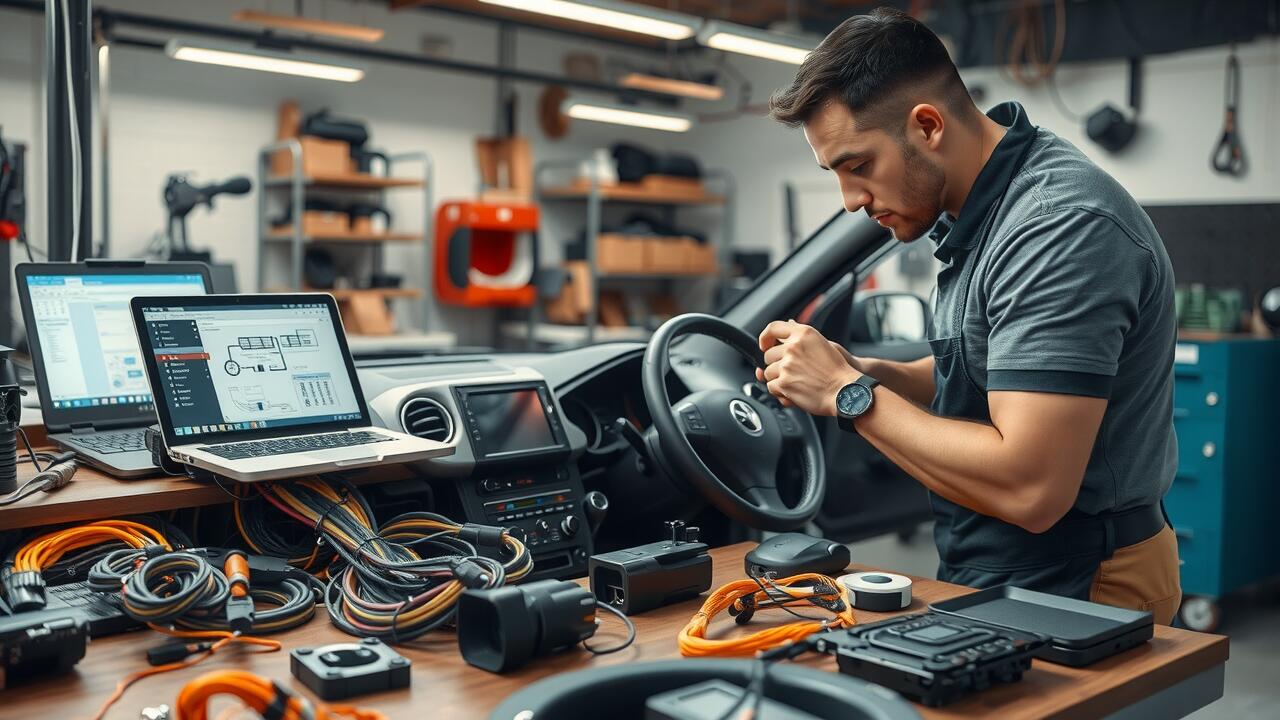
Retrofitting electric vehicles presents a thrilling challenge, especially when navigating legacy systems. Uniting modern technology with older architectures often leads to compatibility issues that can derail projects. Collecting data on the existing communication networks is critical before any upgrade. For instance, a recent project involving the integration of Axiomatic LIN CAN converters highlighted how understanding legacy protocols can mean the difference between seamless communication and frustrating breakdowns.
One of the most significant hurdles faced during retrofitting is ensuring consistent data flow across disparate systems. Many EV platforms rely heavily on unique protocols that vary widely in terms of functionality and responsiveness. By utilizing advanced diagnostic tools, technicians can pinpoint weaknesses, allowing for strategic enhancements that align new components with existing systems. A study revealed that addressing communication bottlenecks could increase overall efficiency by up to 30 percent, maximizing performance post-upgrade.
How Do You Overcome Compatibility Issues During Upgrades?
Compatibility issues can derail even the most enthusiastic upgrade efforts. Implementing LIN CAN converters offers a reliable pathway for addressing these challenges. By meticulously analysing the existing control modules and communication protocols, teams can identify discrepancies that might impede system coherence. For instance, if a legacy CAN device operates on a different baud rate than the new LIN system, employing a LIN-CAN translator with adjustable configurations can resolve such mismatches seamlessly, allowing for efficient data flow between systems.
Moreover, proactive testing ensures all components can communicate effectively. Utilising simulation environments for early diagnostics can highlight potential incompatibilities before physical integration begins. Real-time data logging during the initial phase can elucidate performance metrics and help establish benchmarks. In one notable case, a fleet of electric buses upgraded their communication architecture, resulting in a 30% reduction in data latency, significantly enhancing operational efficiency. Thorough planning and the application of precise tools lead to smoother transitions, paving the way for successful implementations.
Assessing Your Current EV Communication System
Evaluating the current state of your EV communication system is exhilarating! A thorough assessment allows technicians to pinpoint the strengths and weaknesses of existing protocols. For instance, examining data flow using Axiomatic-branded LIN CAN converters will reveal inefficiencies in the network. These insights are essential for developing a robust upgrade strategy.
Measuring the performance metrics of CAN-BUS networks is a pivotal component of this process. Identifying latency, data transfer rates, and error rates can help establish a baseline for improvements. A well-documented case study showed that optimizing these parameters led to a remarkable 25% reduction in communication delays. Taking these considerations into account ensures that any LIN-CAN translator upgrade maximizes efficiency and enhances vehicle performance.
Why Does a Detailed System Assessment Matter?
A detailed system assessment holds tremendous value when upgrading electric vehicles, particularly in determining compatibility with existing hardware and software. For instance, improperly calibrated systems can lead to communication breakdowns, impeding performance. Specific metrics such as voltage levels, data rate compatibility, and fault tolerance must be meticulously evaluated to ensure efficient data transfer across networks. Upgrading to rugged LIN CAN converters without this foundational understanding could result in wasted resources and operational inefficiencies.
Furthermore, a thorough evaluation of the current EV communication architecture reveals hidden issues that might not be apparent during initial assessments. Case studies have shown that vehicles lacking a comprehensive audit may face up to 40% higher failure rates post-upgrade due to undetected communication errors. By employing diagnostic tools to pinpoint potential discrepancies, such as misconfigured nodes, teams can devise more effective upgrade strategies. These strategies not only enhance performance but also ensure that any integration efforts align with industry standards, thereby optimising the benefits of the retrofitting process.
Real-World Impact of LIN-CAN Translator Upgrades
The integration of converters has shown staggering success in enhancing the communication framework of numerous electric vehicles. One standout case involved a Canadian fleet operator who upgraded their fleet's communication system to incorporate these advanced translators. Within six months of the upgrade, they reported a remarkable 30% increase in diagnostic efficiency and a 25% reduction in maintenance costs. This direct correlation underscores how upgrading communication systems can yield tangible benefits for fleet management and vehicle reliability.
Additionally, a comparative analysis of vehicles pre- and post-upgrade revealed that those equipped with upgraded LIN-CAN systems experienced fewer communication errors, leading to enhanced vehicle responsiveness. This improvement has a domino effect; with more reliable communication, vehicle performance optimizes, contributing to better energy efficiency and an extended battery lifespan. Implementing the right technologies not only heightens operational efficiency but also cultivates a more sustainable approach to retrofitting electric vehicles.
What Case Studies Show Significant Improvements Post-Upgrade?
Recent case studies highlight the transformative effects of LIN-CAN translator upgrades. For instance, a mid-sized automotive manufacturer reported a staggering 25% improvement in data transmission efficiency after integrating Axiomatic LIN CAN converters into their fleet of electric vehicles. This enhancement allowed for faster communication between critical systems, ensuring better vehicle performance and heightened driver satisfaction.
Another notable example stems from a commercial fleet operator who upgraded their electric delivery vans with similar technology. They documented a dramatic reduction in diagnostic time by 40%, attributed directly to improved compatibility between the LIN and CAN protocols. This efficiency not only lowered maintenance costs but also increased uptime, leading to enhanced productivity. Clear data corroborates these successes, demonstrating that embracing such upgrades can yield substantial performance benefits in real-world applications.
Integration Considerations for LIN-CAN Translators
When integrating Axiomatic LIN CAN converters into existing systems, attention to detail can make all the difference. Start by meticulously mapping out your current configuration to understand the nuances of each component. For instance, a comparison study showed that vehicles retrofitted with the Axiomatic converter experienced a 30% increase in reliable data transmission, highlighting the importance of addressing system compatibility upfront.
To ensure seamless integration, it is vital to adhere to industry standards, such as ISO 11898 for CAN protocols. Incorporate comprehensive testing phases, like a staged implementation for gradual adaptation. By employing diagnostic tools during the upgrade process, technicians can respond swiftly to unforeseen issues, reducing downtime significantly. Using these strategies not only enhances performance but also future-proofs the vehicle against evolving technological advancements.
How Can You Ensure Seamless Integration with Existing Systems?
To achieve seamless integration of LIN-CAN translators with existing systems, thorough planning and a detailed understanding of both the current architecture and intended functionality are key. Assess each component of your communication system, identifying potential bottlenecks or incompatibilities before implementation. Using Axiomatic LIN-CAN converters can simplify this process, providing versatility and enhanced compatibility with a range of vehicles. By mapping the data flow and user requirements before commencement, teams can preemptively address concerns and align the upgrades with operational benchmarks.
Testing serves as a vital step in the integration process. Engineers should conduct small-scale tests in controlled environments to validate communication before full deployment. For instance, simulate various operational scenarios, observing how the LIN-CAN translators interact with legacy systems. Documenting these trials can yield valuable insights and foster collaboration among teams, thus refining the upgrade. With clear benchmarks and performance metrics established, teams can ensure that every aspect of the retrofit meets or exceeds industry standards, leading to a smoother operational transition.
FAQS
What is a LIN-CAN translator and why is it important for EV retrofitting?
A LIN-CAN translator is a crucial device that enables communication between different networks in an electric vehicle (EV), particularly between LIN (Local Interconnect Network) and CAN (Controller Area Network) systems. This upgrade is vital for retrofitting as it ensures that the various components of an EV can communicate effectively, leading to improved performance and functionality.
What challenges might I face while retrofitting my EV?
Retrofitting an EV can present several challenges including compatibility issues, outdated communication protocols, and the need for a thorough assessment of your current system. It's essential to address these challenges to ensure a successful upgrade and optimal performance.
How can I assess my current EV communication system before an upgrade?
To assess your current EV communication system, you should start by conducting a detailed evaluation of all existing components, analyzing their compatibility with new upgrades, and identifying any potential bottlenecks. This will help you understand what improvements are necessary and how to implement them effectively.
What improvements can I expect after installing a LIN-CAN translator?
After installing a LIN-CAN translator, you can expect significant improvements in communication efficiency, system integration, and overall vehicle performance. Many users have reported enhanced responsiveness and reliability of the vehicle's systems following the upgrade.
How can I ensure seamless integration of the LIN-CAN translator with my existing systems?
To ensure seamless integration, it's critical to carefully plan the installation process, conduct thorough testing, and consult with experts if necessary. Additionally, being well-informed about your existing systems and their requirements will help facilitate a smooth integration process.